Five Reasons Your Business Should Ditch Paper Forms Now
In an era where efficiency and speed are important to business success, holding onto paper forms can feel like clinging to a bygone era. Paper is slow, cumbersome, and prone to errors. Transitioning to digital forms not only streamlines your operations but also enhances customer experience. Here are five compelling reasons to make the switch today.
1. Improved Efficiency
Time is money, and the use of paper forms can waste both. The process of filling out, collecting, and organizing paper documents is labor-intensive. Employees spend hours managing these forms, leading to lost productivity. Digital forms, on the other hand, allow for immediate data entry and retrieval. You can collect information in real time, reducing the time needed to process forms significantly.
Think about it: with digital forms, you can access responses instantly. This means that you can follow up with clients or customers without delay. No more waiting for paper to be filed or scanned. The transition to digital can transform how quickly your business operates.
2. Enhanced Data Accuracy
Human error is inevitable, especially when transcribing data from paper forms into digital systems. Mistakes in data entry can lead to significant issues, including miscommunication and lost sales. Digital forms minimize these risks with built-in validation features that ensure the data collected is accurate and complete.
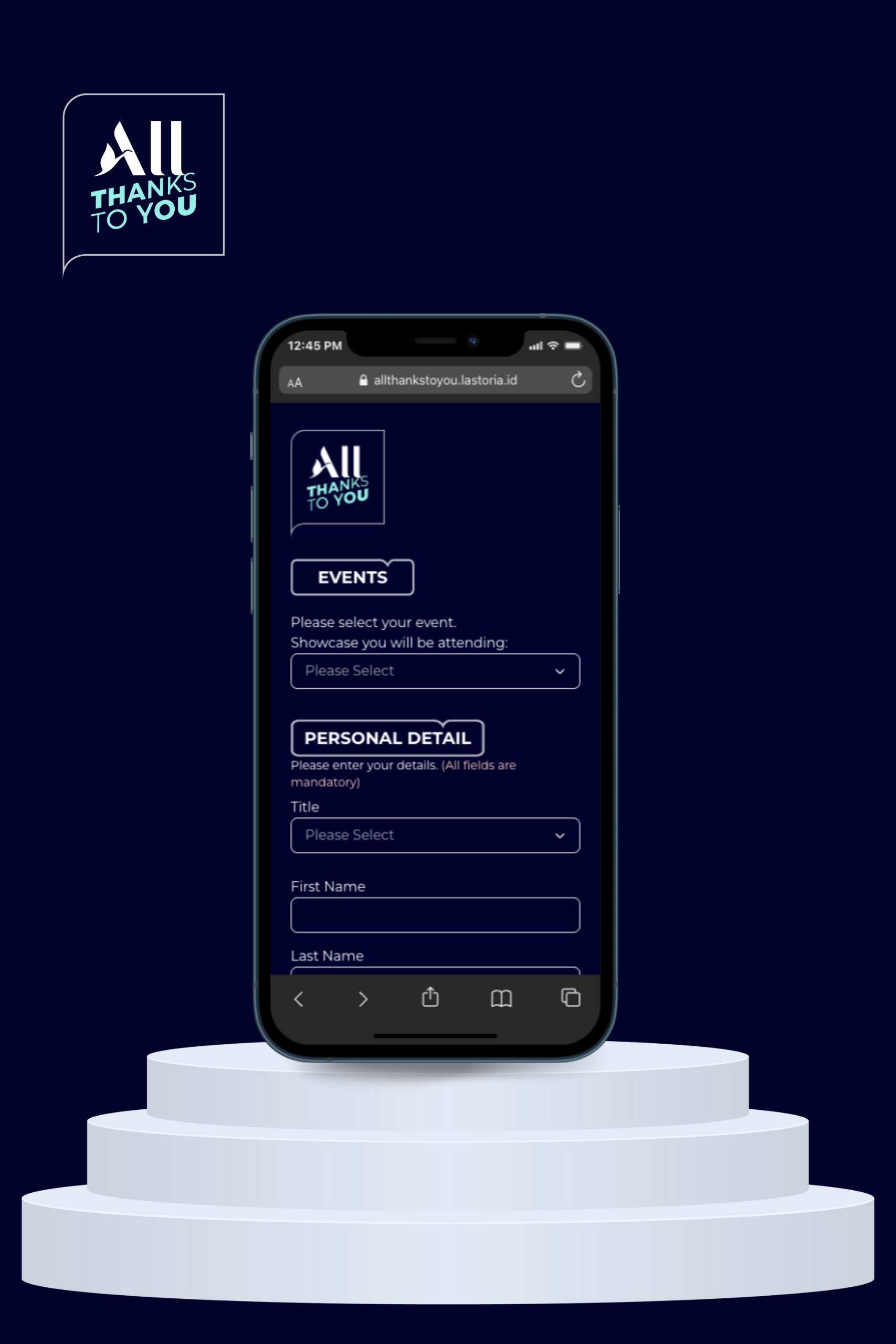
With the right tools, you can implement features like drop-down menus and mandatory fields. This not only helps users fill out forms correctly but also prevents incomplete submissions. For those looking for a straightforward solution, free forms to print can guide you in creating effective digital processes.
3. Cost Savings
Let’s break down the costs associated with using paper forms. There’s the expense of printing, storage, and often, the additional costs of shredding sensitive documents. Over time, these costs add up, straining your budget. Digital forms eliminate most of these expenses.
By transitioning to a digital solution, businesses can save on printing and storage costs while also reducing the need for physical space for filing cabinets. The savings can be reinvested in other areas of the business, such as marketing or hiring new talent.
4. Eco-Friendly Practices
In today’s world, sustainability is more than just a buzzword; it’s a necessity. Businesses that prioritize eco-friendly practices can enhance their reputation while contributing positively to the environment. Paper forms contribute to deforestation and increasing waste. By moving to digital forms, you’re not only reducing your carbon footprint but also aligning your business with eco-conscious values.
Many customers appreciate when businesses take steps towards sustainability. It can improve customer loyalty and attract new clients who value environmental responsibility. Going green is not just a trend; it’s becoming an expectation.
5. Better Data Management
Managing paper forms can feel like a juggling act. With limited space and the risk of losing important documents, keeping everything organized is a challenge. Digital forms, however, integrate seamlessly with various management systems, allowing for better data handling and analysis.
With the right software, you can categorize, analyze, and generate reports on the data collected. This level of insight helps in making informed decisions and identifying trends within your business. Plus, digital forms often allow for easier data sharing among team members, fostering collaboration and increasing overall efficiency.
Making the Transition Smooth
Switching from paper to digital might seem daunting, but it doesn’t have to be. Start by evaluating the forms you currently use. Identify which ones can be digitized first and consider using platforms that offer templates. This can help ease the transition and reduce the learning curve for your staff.
Training is also essential. Providing your team with the necessary resources and guidance will ensure they feel comfortable with the new system. The right tools can make the process smoother and more efficient. Look into programs that allow for easy customization, ensuring that your digital forms meet your specific needs.
- Identify key forms to digitize first.
- Choose user-friendly software.
- Train your team thoroughly.
- Implement gradual changes to ease the transition.
- Solicit feedback for continuous improvement.
Transitioning to digital forms is not just a trend; it’s a necessary evolution in the way we operate. The benefits are clear: improved efficiency, enhanced accuracy, cost savings, eco-friendly practices, and better data management. Making the switch can elevate your business and provide a better experience for both employees and customers.